Proofing holes and gaps
Pest proofing Pest proofing and prevention solutions
Why Choose Our pest-proof Services?
Experienced Team
Decades of expertise in rodent control across UK.
Comprehensive Solutions
Removal, prevention, and proofing services tailored to your needs.
Guaranteed Results
We won’t rest until your property is completely rodent-free.
Why pest-proof your building
Entry prevention
Pest former secures gaps using resistant materials, fortifies doors with bristle strips, and shields loading zones and roller doors with custom barriers.
Damage reduction
Pest-proofing prevents damage from rodents gnawing on pipes, cables, and doors, as well as harm from droppings, nests, and food contamination.
Cost reduction
Pre-emptive proofing will future-proof against the potentially high cost of eradication and damage repair while safeguarding your brand reputation and revenue.
How does Pest former work?
, our pest control experts are dedicated to identifying the safest and most effective solutions to eliminate pests from your home and business. Understanding that every situation is unique, we emphasise the necessity of a thorough inspection before each treatment. This approach allows us to tailor our methods specifically to your needs, ensuring the most efficient and effective pest removal.
The Benefits of Our Service
Expert Guidance
Our team educates you on preventing reinfestations.
Affordable Pricing
Cost-effective solutions tailored to your budget.
24/7 Support
We won’t rest until your property is completely rodent-free.
FAQs
Pests can find numerous entry points into commercial buildings, and it’s crucial to identify and seal these openings to prevent infestations. Here are some common entry points for pests and ways to seal them:
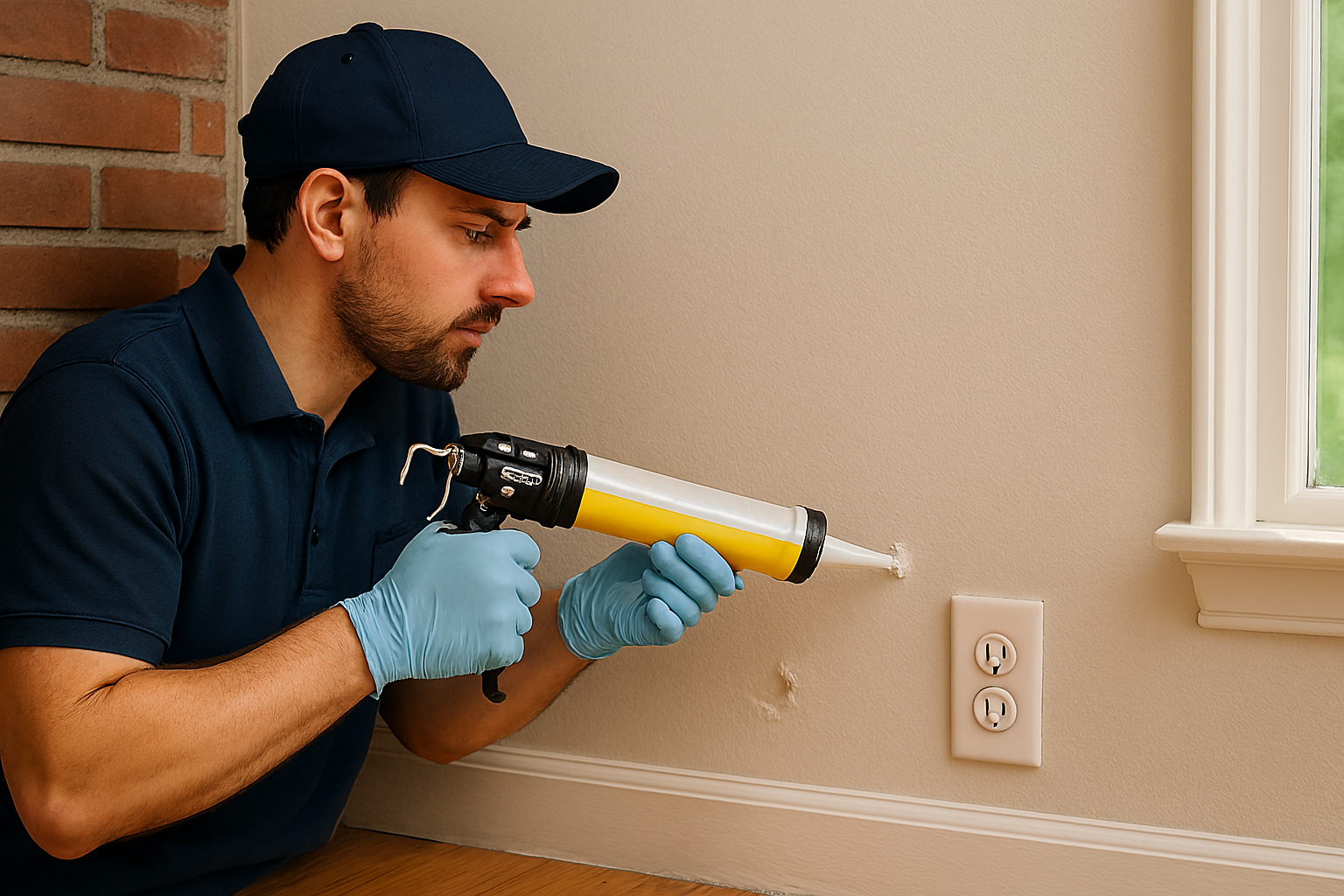
Gaps and cracks in exterior walls: Inspect the building’s exterior for any gaps or cracks in the walls, especially around windows, doors, utility openings, and vents. Seal these openings using caulk or weatherstripping. For larger gaps, use expandable foam insulation.
Windows and doors: Ensure that all windows and doors have tight-fitting screens without any tears or gaps. Replace damaged screens and repair any damaged weatherstripping. Install door sweeps to seal the gap between the bottom of doors and the floor.
Utility penetrations: Pests can enter through openings created for utilities such as plumbing pipes, electrical conduits, and HVAC systems. Seal these gaps with appropriate materials like wire mesh, steel wool, or caulk. Use expanding foam to seal larger openings.
Foundation and crawl spaces: Examine the foundation for cracks or gaps where pests might gain entry. Seal these openings with mortar, cement, or expanding foam. Install vent covers or screens to prevent pests from entering crawl spaces.
Pipework and plumbing: Check for gaps around pipework, plumbing, and drains. Seal these openings with caulk or expanding foam. Install drain covers to prevent pests from accessing drains.
Loading docks and garage doors: These areas often have gaps around doors, loading bay doors, and dock levellers. Install weatherstripping or door sweeps to seal these gaps and prevent pest entry.
Regular inspections and ongoing maintenance are vital to identifying new entry points and promptly addressing them. It’s recommended to consult with a professional pest control service or a building maintenance expert to develop a comprehensive pest management plan tailored to your specific commercial building.
Neglecting pest-proofing in a commercial building can expose you to several risks and liabilities, including:
Property damage: Pests can cause extensive damage to your property. Rodents can chew through wiring, insulation, and structural materials, increasing the risk of electrical fires and compromising the building’s integrity. Termites can silently eat away at wooden structures, leading to costly repairs and potential safety hazards. Neglecting pest-proofing allows pests to access and damage your property, resulting in significant financial losses.
Health and safety hazards: Pests are associated with various health risks. They can carry and transmit diseases, contaminate food, and trigger allergic reactions in individuals. In a commercial building, neglecting pest-proofing can lead to an infestation that poses health hazards to employees, customers, and visitors. If someone falls ill or suffers harm due to pest-related issues in your building, you may face legal liabilities and potential lawsuits.
Code violations and regulatory fines: Many jurisdictions have regulations and health codes in place that require commercial properties to maintain a pest-free environment. Neglecting pest-proofing can result in code violations and regulatory fines. Authorities may conduct inspections, and if pests are found due to negligence, you could face penalties, fines, or even the closure of your business until the issue is resolved.
Reputation damage: A pest infestation in a commercial building can severely damage your reputation. News of pest problems can spread quickly through word-of-mouth and online reviews, tarnishing your business’s image. Customers may associate pests with poor hygiene or lack of professionalism, leading to a loss of trust and potential loss of business. Rebuilding a damaged reputation can be time-consuming and costly.
Business disruptions and financial losses: Dealing with a pest infestation can disrupt your business operations. Depending on the severity of the infestation, you may need to temporarily close your business for pest control treatments, resulting in financial losses. Additionally, ongoing pest control and remediation efforts can be expensive, especially if the infestation has spread extensively due to neglect.
It is essential to prioritise pest-proofing and take proactive measures to prevent infestations in your commercial building. Regular inspections, maintenance, and cooperation with professional pest control services can help mitigate these risks and liabilities, ensuring the safety of your property, occupants, and business reputation.